Nebraska winters are brutal. With subzero temperatures, icy winds, and aging infrastructure in many homes, winter can take a serious toll on your plumbing. Frozen pipes are one of the most common (and expensive) causes of water damage during the colder months. A single burst pipe can release hundreds of gallons of water in minutes, soaking walls, ceilings, and belongings.
At Paul Davis Restoration of Omaha, we’ve seen firsthand how fast this type of damage can escalate. That’s why we’re sharing expert strategies to help you avoid frozen pipes—and what to do if a freeze-up does happen.
Why Pipes Freeze in Nebraska Winters
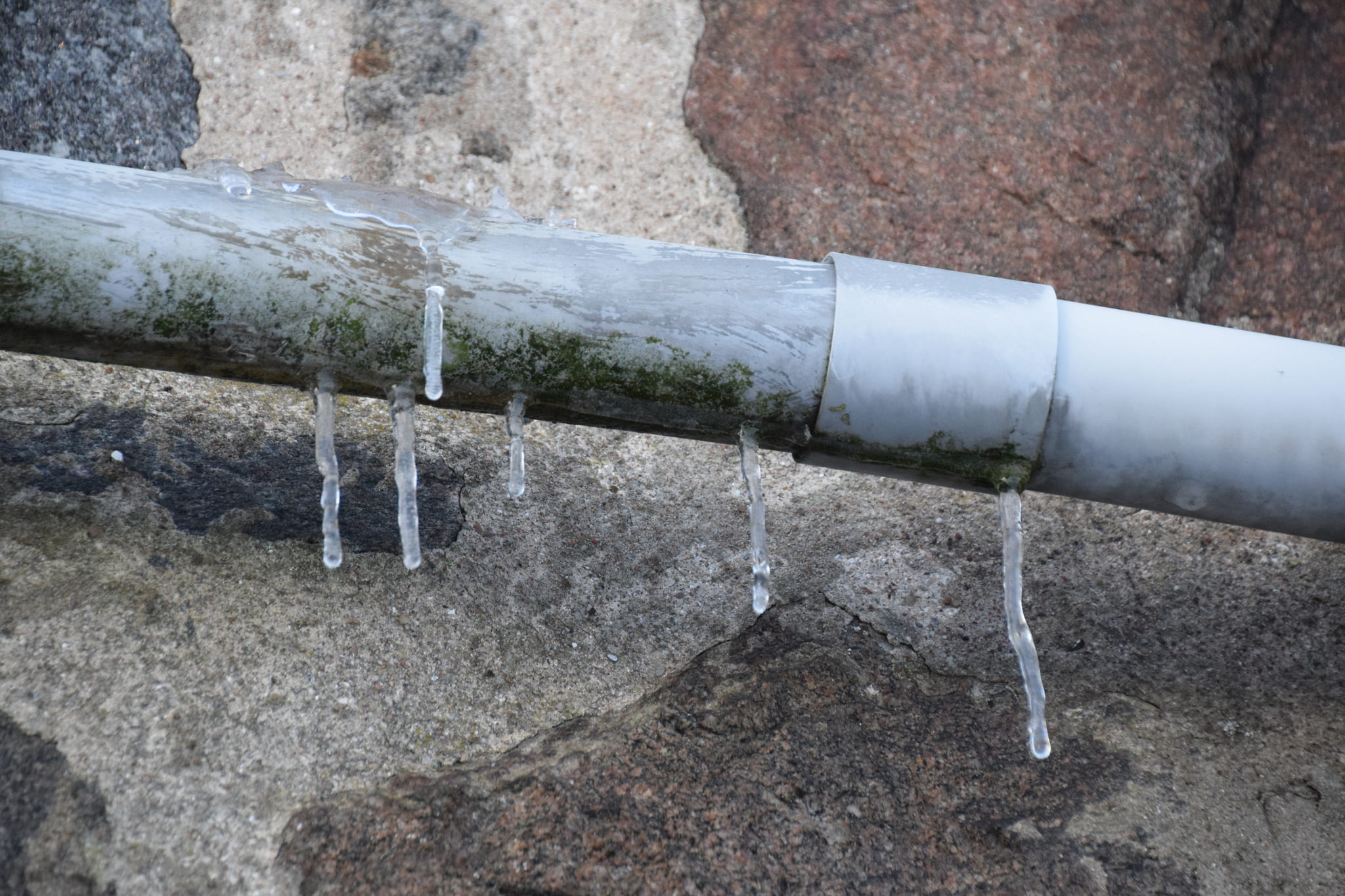
When temperatures dip far below freezing, the water inside your pipes can freeze and expand. As pressure builds between the frozen blockage and your faucet, it can eventually cause the pipe to burst—especially if it’s made of metal or isn’t properly insulated.
These are the most common risk factors for frozen pipes in Nebraska homes:
- Uninsulated or exposed pipes in basements, crawl spaces, or attics: These areas often lack sufficient heating and insulation, making them vulnerable during cold snaps.
- Outdoor plumbing lines: Any exterior plumbing (garden hoses, spigots) that isn’t drained and shut off can easily freeze.
- Vacant homes during cold snaps: Homes that sit empty without consistent heating are at high risk of frozen pipes.
- Poor sealing around pipes: Gaps or cracks in foundations and walls allow freezing air to reach the plumbing system.
Cities like Omaha, Lincoln, and Grand Island regularly experience subzero temperatures in January and February—making preparation crucial before the first big freeze.
Preventive Steps for Nebraska Homeowners
Frozen pipes can cause major disruption, water damage, and mold growth, but with a few simple precautions, you can greatly reduce the risk.
Use these prevention strategies to protect your plumbing system during Nebraska’s coldest months:
- Insulate pipes in attics, crawl spaces, and basements: Use foam insulation sleeves or heat tape to protect vulnerable pipes.
- Keep your thermostat set to a steady temperature: Don’t let the temp dip too low overnight or while you’re out of town.
- Open cabinet doors under sinks to allow warm air circulation: This small step can prevent frozen kitchen and bathroom pipes.
- Disconnect and drain outdoor hoses before the first freeze: Shut off and drain spigots and irrigation systems to prevent exterior pipe bursts.
- Let faucets drip slightly during extreme cold: Running water is less likely to freeze, especially in rarely used pipes.
- Seal gaps or cracks near pipes that allow cold air inside: Use caulk or spray foam to close openings in foundations or walls.
What to Do if Your Pipes Freeze
If it’s below freezing and you notice any of these signs, your pipes may be frozen:
- You have little to no water flow when turning on a faucet.
- You see visible frost or condensation on the outside of a pipe.
- You notice unusual odors coming from drains (this can happen when pipes are blocked).
To thaw frozen pipes safely:
- Apply a hair dryer or heating pad directly to the frozen section.
- Place a space heater near the area (but never leave it unattended).
- Open interior doors to help heat circulate.
Important note: Never use open flames or a blowtorch—they can start a fire or damage the pipe.
Acting quickly is critical. If frozen pipes thaw and leak, water can seep into insulation, drywall, and floors—creating ideal conditions for mold to grow. If that happens, be sure to ask about mold cleanup after water damage as part of your restoration plan.
When to Call Plumbing & Restoration Companies
If you are able to locate the frozen pipe and it hasn’t burst, the DIY thawing methods listed above should be enough. But if you are experiencing any of the following situations, contact a professional right away:
- You can’t locate or thaw the frozen pipe safely.
- A pipe has burst, and water is leaking or pooling.
- There’s visible flooding, structural damage, or risk of contamination.
Plumbers can stop the leak and repair your plumbing system, while restoration professionals can remove standing water, dry out your home, and prevent long-term damage.
Request Water Damage Restoration From Paul Davis Restoration of Omaha
With a little preparation and quick action, you can protect your home and avoid major repairs this winter. But if you do experience frozen or burst pipes, Paul Davis Restoration of Omaha is here for you. We offer fast response times throughout Omaha and surrounding Nebraska cities, with comprehensive restoration services—from water extraction and structural drying to full reconstruction services and mold remediation.
Request water damage restoration from Paul Davis of Omaha—available 24/7, even in the coldest weather.